



 VI
VI 

27 October, 2025
by Ngân Anh Phát
 Trở về
 Main Categories
 Electrical - Automation
 Trở về
Trở về
Trở về
Trở về
Trở về
Trở về
Trở về
Trở về
Trở về
Trở về
Trở về
Trở về
Trở về
Trở về
Trở về
 Mechanical - Transmission
Trở về
Trở về
Trở về
Trở về
Trở về
Trở về
Trở về
Mechanical - Transmission
Trở về
Trở về
Trở về
Trở về
Trở về
Trở về
Trở về
 Pneumatics - Hydraulics - Vacuum
Trở về
Trở về
Trở về
Trở về
Trở về
Pneumatics - Hydraulics - Vacuum
Trở về
Trở về
Trở về
Trở về
Trở về
 Tools and Implements
Trở về
Trở về
Trở về
Trở về
Trở về
Tools and Implements
Trở về
Trở về
Trở về
Trở về
Trở về
 Machinery - Warehouse Equipment
Trở về
Trở về
Trở về
Trở về
Trở về
Trở về
Trở về
Trở về
Trở về
Trở về
Trở về
Trở về
Machinery - Warehouse Equipment
Trở về
Trở về
Trở về
Trở về
Trở về
Trở về
Trở về
Trở về
Trở về
Trở về
Trở về
Trở về
 Measurement - Testing
Trở về
Trở về
Trở về
Trở về
Trở về
Trở về
Trở về
Trở về
Trở về
Trở về
Measurement - Testing
Trở về
Trở về
Trở về
Trở về
Trở về
Trở về
Trở về
Trở về
Trở về
Trở về
27 October, 2025
A Variable Frequency Drive (VFD) is an electronic device that changes the output voltage and frequency while the input frequency remains constant (typically 50Hz or 60Hz), allowing flexible control of motor speed and torque. Selecting the appropriate VFD not only helps the motor operate efficiently, save energy and operating costs, but also extends the service life of the entire system.
Below is a detailed guide to help you select a VFD in a professional and accurate manner.
To select the most suitable VFD, it is essential to clearly understand the motor technical specifications and the application requirements.
The selection of a suitable VFD is determined by the actual load characteristics of the application, as this directly affects the operating mode and the required overload capability. In practice, manufacturers typically classify loads into three main groups.
Characteristics:
Applied to equipment where torque varies with speed (typically increasing according to a quadratic function). Low starting torque is required.
Examples:
Centrifugal pumps, ventilation fans, exhaust fans.
Selection principle:
A VFD with the same power rating as the motor, or even one size smaller, may be selected (subject to the manufacturer’s recommendations).
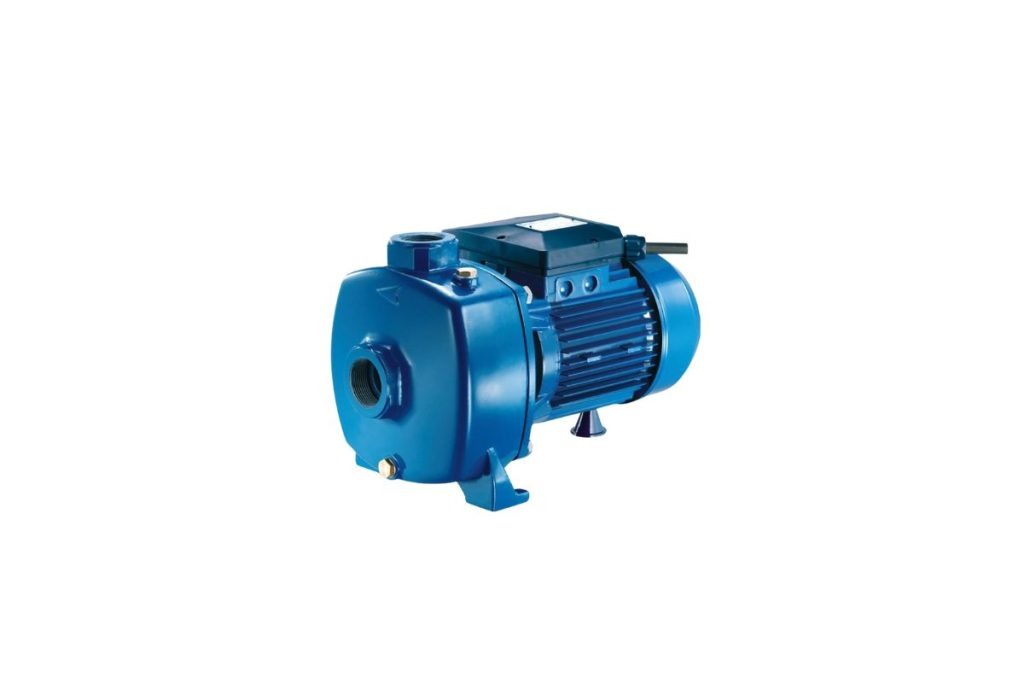
Centrifugal pump
Characteristics:
Applied to applications requiring relatively constant torque or torque that increases slightly with speed, along with moderate overload capability.
Examples:
Medium-sized conveyors, light-duty mixers.
Selection principle:
It is recommended to select a VFD with the same power rating or one size higher than the motor. The typical overload capability requirement is 120%–150% for 60 seconds (depending on the manufacturer).
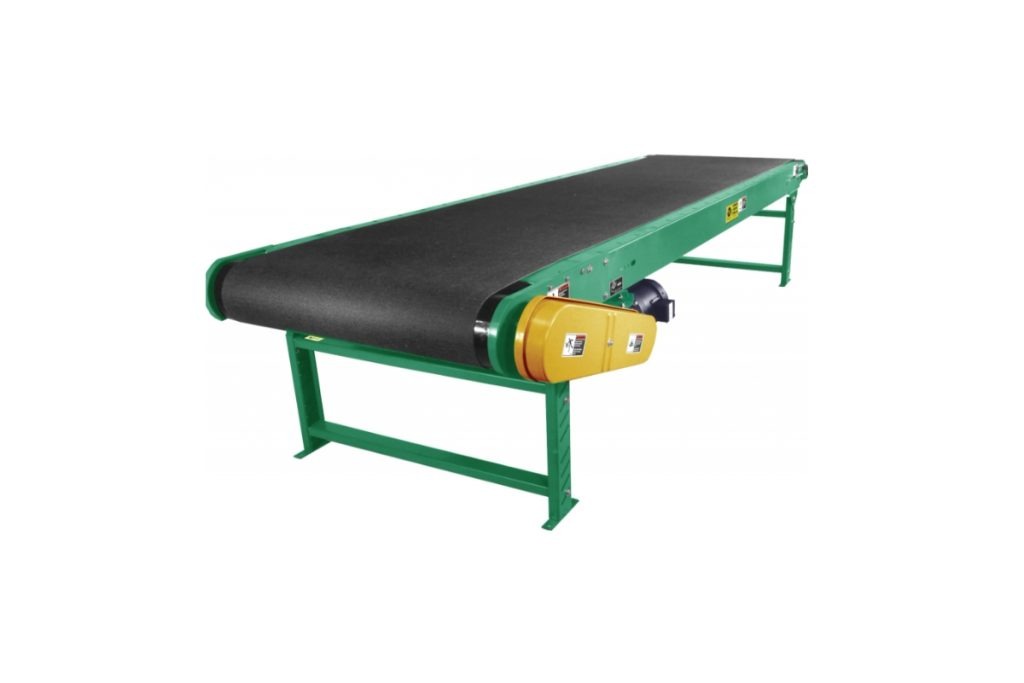
Industrial conveyor
Characteristics:
Applied to applications requiring very high torque, effective slip compensation even at low speeds, and the highest overload capability.
Examples:
Cranes, piston compressors, heavy-duty mixers, extruders, elevators/hoists.
Selection principle:
It is mandatory to select a VFD with the same power rating or higher than the motor. The typical overload capability requirement is 150% for 60 seconds (depending on the manufacturer).
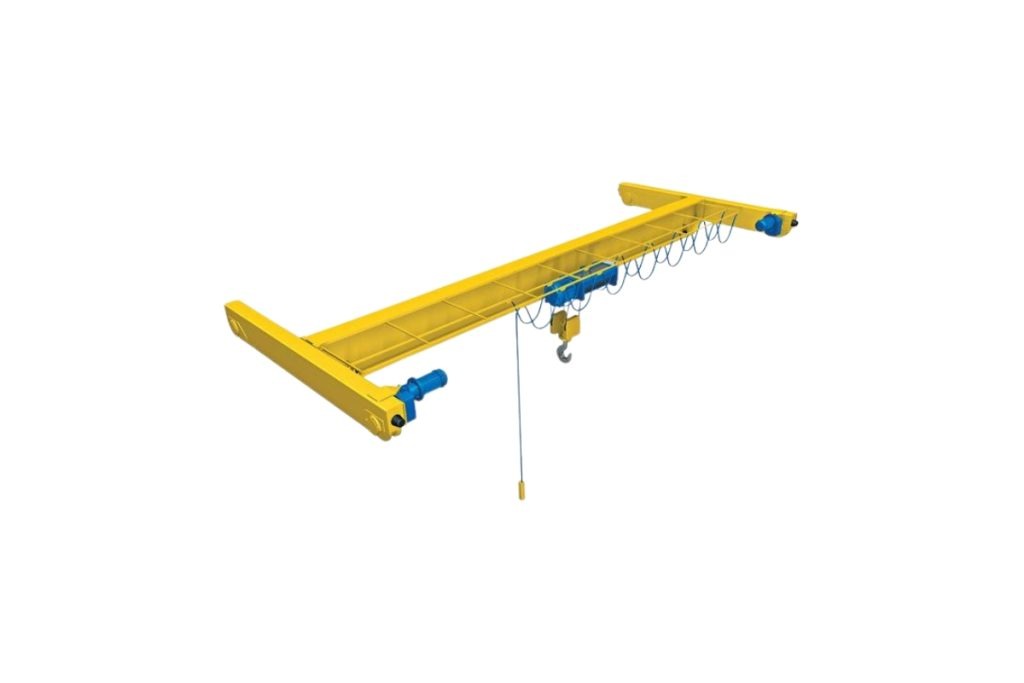
Single-girder (or single-drum hoist) industrial crane used for lifting and moving heavy loads
Important Notes
Most modern VFDs can flexibly switch between LD and HD operating modes. However, the key principle that must always be observed is:
The Heavy Duty rated current of the VFD must be greater than or equal to the rated current of the motor in order to ensure stable performance and long system lifespan.
The rated voltage of the VFD must be compatible with both the supply voltage and the motor’s rated voltage. Common configurations include:
Additional parameters to consider:
When selecting the VFD power rating, it is necessary to ensure that it is equal to or greater than the motor’s rated power, while also considering the load type and operating characteristics to ensure efficiency and durability.
For a 10 kW motor operating under heavy-duty conditions, it is recommended to select either a 10 kW Heavy Duty VFD or a 15 kW Normal Duty VFD (upsized by one power level). Upsizing the VFD helps reduce overload faults and increases system reliability and service life.
For motors whose actual operating current is higher than the nameplate rated current (for example, due to low power factor or special operating characteristics), VFD selection should be based on the actual current. In such cases, increasing the VFD power rating by one to two levels is recommended.
Selecting a reputable brand is a key factor in ensuring product quality, durability, control accuracy, and reliable technical support. Below is information about Nidec Control Techniques VFDs, distributed by Ngan Anh Phat.
Control Techniques is a well-established brand offering advanced and flexible VFD solutions, particularly suitable for systems that require high complexity and precise control.
Current position
Today, Control Techniques is a leading designer and manufacturer of VFDs and drive solutions under Nidec Corporation, delivering high-performance and highly reliable industrial automation solutions worldwide.
Widely trusted in industries that require synchronized motion and high-precision control, such as:
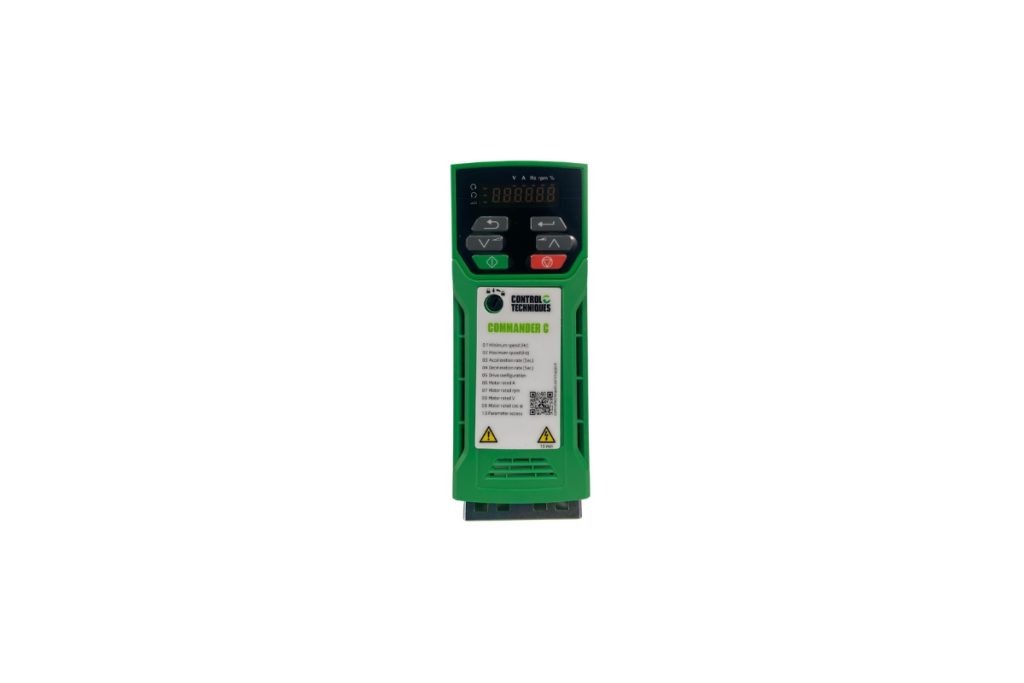
NIDEC CONTROL TECHNIQUES Variable Frequency Drive
CONTACT US NOW
Hotline: +84 251 3857 563 (102) or contact via Zalo numbers displayed on the website for quick support
Email: sales@ngananhphat.com
Website: www.ngananhphat.com
Visit our office to experience our products firsthand: D3, Dong Khoi Street, Group 23, Quarter 35, Tam Hiep Ward, Dong Nai Province.
WE COMMIT TO DELIVERING CUSTOMER SATISFACTION
Learn more:


24/11/2025
How to Choose the Right Round Linear Shaft for Each Application
01/11/2025
How to Use Variable Frequency Drives Safely, Save Energy, and Extend Equipment Lifespan
10/09/2025
What is HMI Screen? Features and Applications of HMI in Automation
10/09/2025
What is a Swivel Coupling? Applications of Swivel Couplings in Industrial Production

10/09/2025
What is a Shaft Coupling? Uses of Shaft Couplings in Industrial Production
10/09/2025
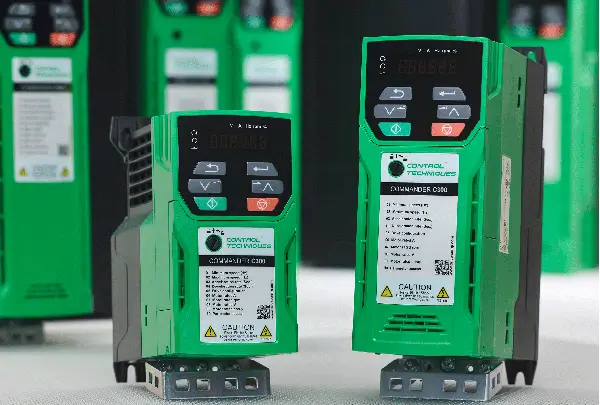
What Is a Variable Frequency Drive? Structure and Role of VFDs in Industrial Production
10/09/2025
Instructions for Using Mitutoyo 7301 Thickness Gauge and Notes
10/09/2025
Instructions for Using a Standard Caliper and How to Read Measurements on a Caliper

10/09/2025
NGAN ANH PHAT CO., LTD
Established in 2007,
Ngan Anh Phat Co., Ltd. has continuously strived for development and affirmed its position in the market. With over 18 years of operation, we have become a leading reliable partner in the following fields: Automation - Industrial Equipment - Electrical Engineering - Electronics - Materials and Equipment for Mold Making. Furthermore, Ngan Anh Phat constantly expands its operations with diverse services, providing comprehensive solutions to meet the increasingly high demands of customers and partners.


Tìm sản phẩm