



 VI
VI 

01 November, 2025
by Ngân Anh Phát
 Trở về
 Main Categories
 Electrical - Automation
 Trở về
Trở về
Trở về
Trở về
Trở về
Trở về
Trở về
Trở về
Trở về
Trở về
Trở về
Trở về
Trở về
Trở về
Trở về
 Mechanical - Transmission
Trở về
Trở về
Trở về
Trở về
Trở về
Trở về
Trở về
Mechanical - Transmission
Trở về
Trở về
Trở về
Trở về
Trở về
Trở về
Trở về
 Pneumatics - Hydraulics - Vacuum
Trở về
Trở về
Trở về
Trở về
Trở về
Pneumatics - Hydraulics - Vacuum
Trở về
Trở về
Trở về
Trở về
Trở về
 Tools and Implements
Trở về
Trở về
Trở về
Trở về
Trở về
Tools and Implements
Trở về
Trở về
Trở về
Trở về
Trở về
 Machinery - Warehouse Equipment
Trở về
Trở về
Trở về
Trở về
Trở về
Trở về
Trở về
Trở về
Trở về
Trở về
Trở về
Trở về
Machinery - Warehouse Equipment
Trở về
Trở về
Trở về
Trở về
Trở về
Trở về
Trở về
Trở về
Trở về
Trở về
Trở về
Trở về
 Measurement - Testing
Trở về
Trở về
Trở về
Trở về
Trở về
Trở về
Trở về
Trở về
Trở về
Trở về
Measurement - Testing
Trở về
Trở về
Trở về
Trở về
Trở về
Trở về
Trở về
Trở về
Trở về
Trở về
01 November, 2025
Variable Frequency Drives (VFDs) have become an optimal solution in modern industrial systems, from controlling motor speed, water pumps, ventilation fans to complex production lines, improving system efficiency and performance. Proper use of VFDs not only ensures safety for operators and systems but also helps maximize energy savings and extend the lifespan of both the equipment and motors.
This article will go in-depth into operational rules, parameter settings, and maintenance practices for VFDs, helping you optimize investment efficiency and maintain sustainable production operations.
Safety is the top priority when working with any electrical equipment, especially VFDs. Motors with large power ratings operating directly on the grid pose significant dangers due to high voltage and high current. Strict compliance with the following rules will help protect both personnel and equipment from potential hazards.
This is the most critical rule before performing any inspection, installation, or maintenance work:
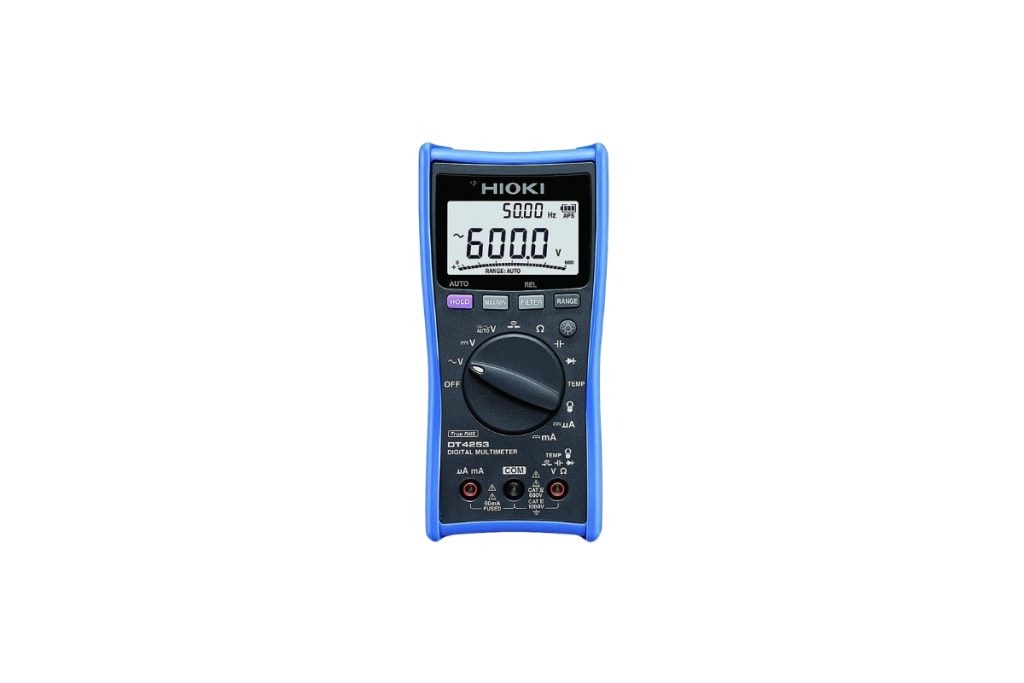
Hioki voltmeter
The installation environment directly affects safety, lifespan, and performance of the VFD:
VFDs are a core solution for optimizing energy usage in drive systems. Achieving maximum energy savings requires precise parameter tuning based on load characteristics.
Most energy savings from VFDs come from adjusting motor speed according to actual load demand.
For pump and fan applications, utilize the Sleep/Wake-up function of the VFD. When load demand decreases (e.g., pressure/flow reaches setpoint) and the motor operates at minimum frequency for a defined time, the VFD automatically stops (sleep) to avoid wasting energy during no-load operation, and restarts (wake-up) when demand increases.
The typical lifespan of a VFD ranges from 7 to 10 years and can be extended further with proper usage and maintenance. The most critical factors affecting lifespan are temperature and power quality.
Power quality is a key factor determining durability and performance. Unstable power can cause severe damage to power components (diodes, IGBTs) and internal capacitors.
Problem: Excessive voltage fluctuations (over/under voltage), sudden voltage spikes, and harmonics generated by nonlinear loads place heavy stress on VFD electronics.
Technical Solutions:
Using Reactors (Chokes):
This is the most effective and widely used solution to improve input power quality.
To protect the VFD from severe voltage conditions, configure the following protection parameters:
Avoid continuous operation at 100% rated load. Maintaining average load levels around 80–90% significantly reduces heat generation and extends component lifespan. If loads frequently exceed 90%, consider upgrading to a higher-capacity VFD.
Regular maintenance is key to maintaining performance and extending equipment lifespan. Recommended maintenance frequency is every 6 months or after 3,000–5,000 operating hours, depending on environment.
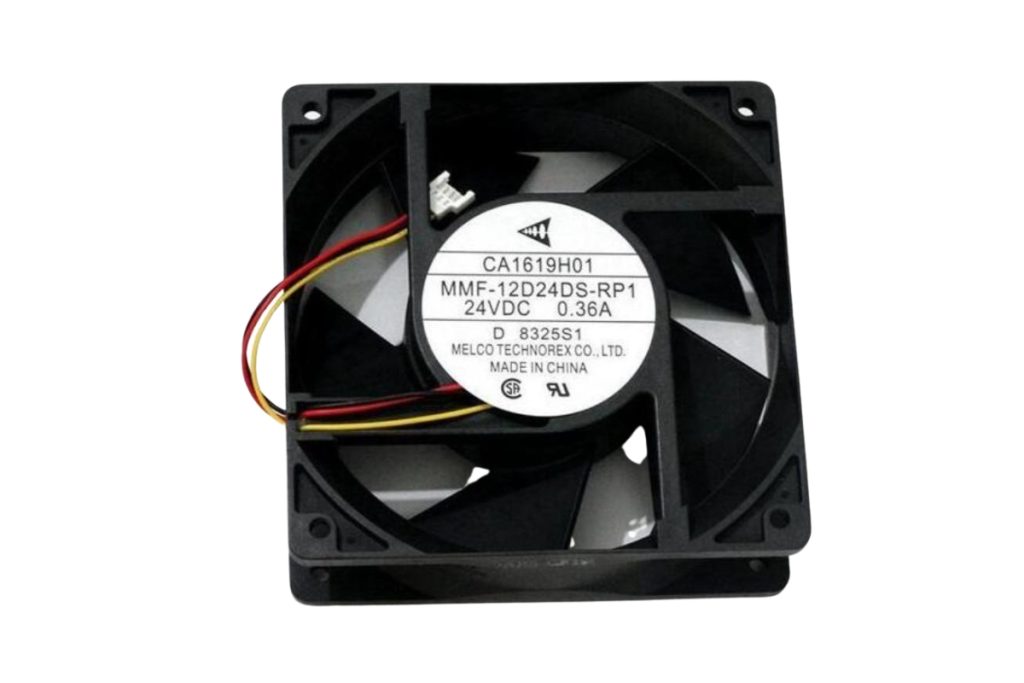
Inverter cooling fan helps dissipate heat during inverter operation
Ngan Anh Phat Co., Ltd. – Authorized Distributor of NIDEC CONTROL TECHNIQUES VFDs
NIDEC CONTROL TECHNIQUES VFDs are not only motor speed control devices but also comprehensive solutions for energy optimization and system performance enhancement. With precise control and high reliability, these VFDs significantly reduce energy costs and extend equipment lifespan.
View more NIDEC CONTROL TECHNIQUES VFD products
We commit to:
CONTACT US NOW FOR CONSULTATION AND QUOTATION
HOTLINE: +84 251 3857 563 (102) or contact via Zalo numbers displayed on the website for quick support
EMAIL: sales@ngananhphat.com
WEBSITE: www.ngananhphat.com
VISIT OUR OFFICE TO EXPERIENCE OUR PRODUCTS FIRSTHAND: D3, Dong Khoi Road, Group 23, Quarter 35, Tam Hiep Ward, Dong Nai Province.
WE COMMIT TO DELIVERING CUSTOMER SATISFACTION
Learn more:


24/11/2025
How to Choose the Right Round Linear Shaft for Each Application
27/10/2025
How to Choose the Right Variable Frequency Drive for Your Induction Motor
10/09/2025
What is HMI Screen? Features and Applications of HMI in Automation
10/09/2025
What is a Swivel Coupling? Applications of Swivel Couplings in Industrial Production

10/09/2025
What is a Shaft Coupling? Uses of Shaft Couplings in Industrial Production
10/09/2025
What Is a Variable Frequency Drive? Structure and Role of VFDs in Industrial Production
10/09/2025
Instructions for Using Mitutoyo 7301 Thickness Gauge and Notes
10/09/2025
Instructions for Using a Standard Caliper and How to Read Measurements on a Caliper

10/09/2025
NGAN ANH PHAT CO., LTD
Established in 2007,
Ngan Anh Phat Co., Ltd. has continuously strived for development and affirmed its position in the market. With over 18 years of operation, we have become a leading reliable partner in the following fields: Automation - Industrial Equipment - Electrical Engineering - Electronics - Materials and Equipment for Mold Making. Furthermore, Ngan Anh Phat constantly expands its operations with diverse services, providing comprehensive solutions to meet the increasingly high demands of customers and partners.


Tìm sản phẩm