



 VI
VI 

24 November, 2025
by Ngân Anh Phát
 Trở về
 Main Categories
 Electrical - Automation
 Trở về
Trở về
Trở về
Trở về
Trở về
Trở về
Trở về
Trở về
Trở về
Trở về
Trở về
Trở về
Trở về
Trở về
Trở về
 Mechanical - Transmission
Trở về
Trở về
Trở về
Trở về
Trở về
Trở về
Trở về
Mechanical - Transmission
Trở về
Trở về
Trở về
Trở về
Trở về
Trở về
Trở về
 Pneumatics - Hydraulics - Vacuum
Trở về
Trở về
Trở về
Trở về
Trở về
Pneumatics - Hydraulics - Vacuum
Trở về
Trở về
Trở về
Trở về
Trở về
 Tools and Implements
Trở về
Trở về
Trở về
Trở về
Trở về
Tools and Implements
Trở về
Trở về
Trở về
Trở về
Trở về
 Machinery - Warehouse Equipment
Trở về
Trở về
Trở về
Trở về
Trở về
Trở về
Trở về
Trở về
Trở về
Trở về
Trở về
Trở về
Machinery - Warehouse Equipment
Trở về
Trở về
Trở về
Trở về
Trở về
Trở về
Trở về
Trở về
Trở về
Trở về
Trở về
Trở về
 Measurement - Testing
Trở về
Trở về
Trở về
Trở về
Trở về
Trở về
Trở về
Trở về
Trở về
Trở về
Measurement - Testing
Trở về
Trở về
Trở về
Trở về
Trở về
Trở về
Trở về
Trở về
Trở về
Trở về
24 November, 2025
Round linear shafts play a guiding role when combined with linear bearings with or without flange, and are widely used in many types of machinery, from small devices to industrial machines. Since each application has its own specific requirements, selecting the correct round linear shaft with appropriate rigidity is not always easy. This article will help you understand the key selection criteria and choose the most suitable round linear shaft for each specific application.
A round linear shaft is a cylindrical guide shaft used in linear motion systems, allowing machine components to move smoothly and accurately when combined with linear ball bearings or linear bushings.
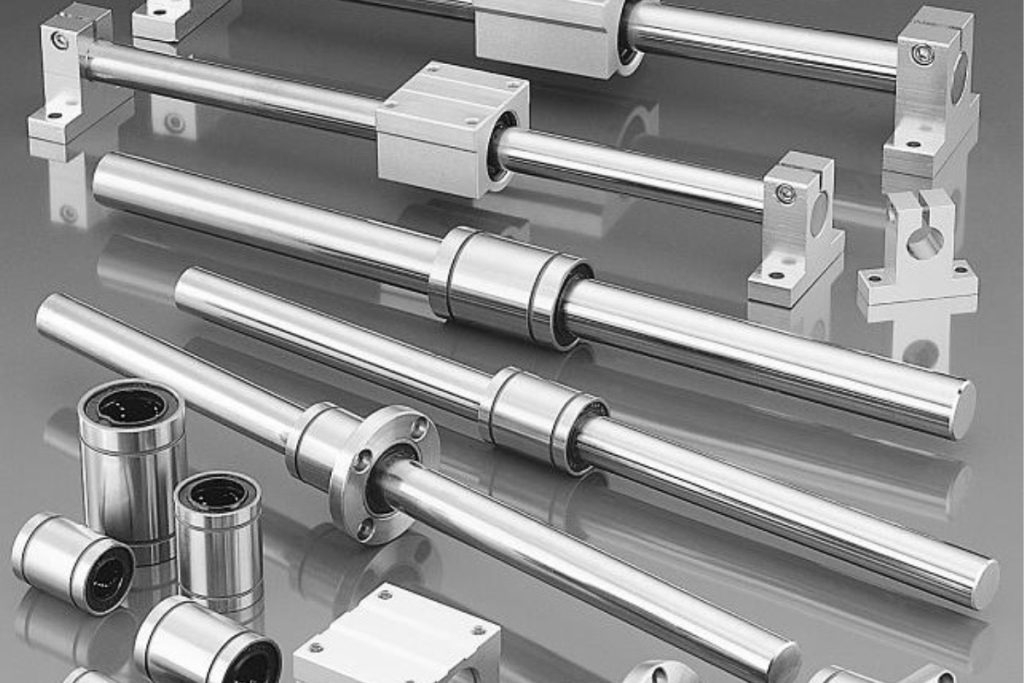
Round linear shaft used as a guide for linear motion
Round linear shafts are commonly classified into three main types based on structure and shape: solid shaft, supported shaft, and hollow shaft. These types meet diverse requirements in terms of rigidity, installation configuration, and load capacity in mechanical systems.
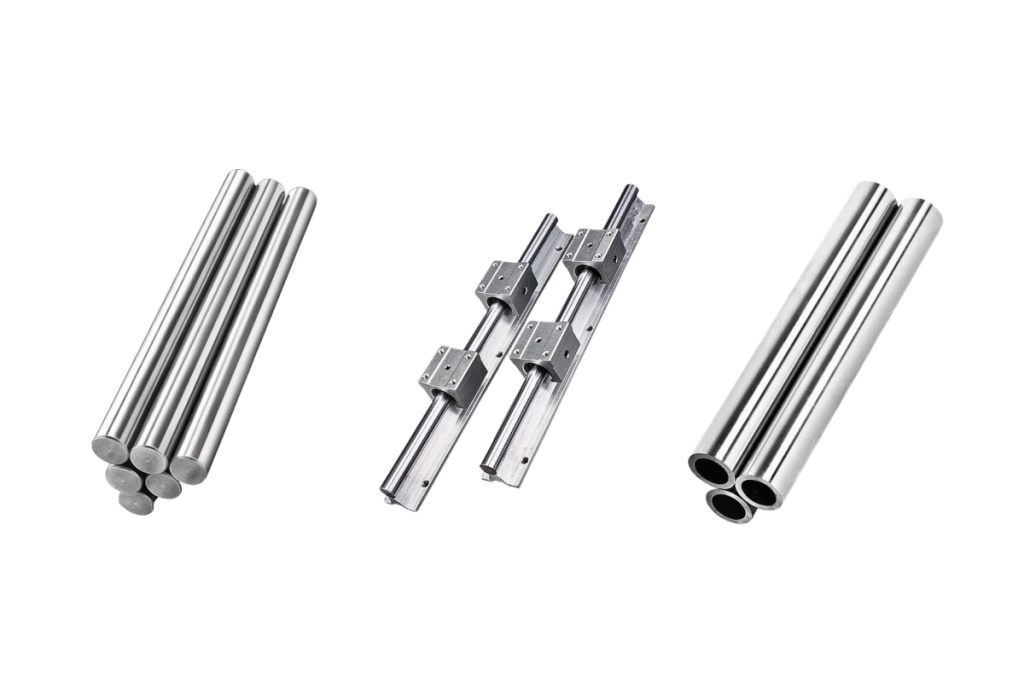
Common structure of round linear shafts
Currently, round linear shafts on the market are mainly manufactured from S50C or SUJ2 steel. These materials share advantages such as high hardness, excellent wear resistance, and good corrosion resistance, meeting technical requirements in manufacturing and machining applications.
With advantages such as high precision, stable operation, and easy maintenance, round linear shafts, together with round linear bearings or linear bushings, are widely applied in mini CNC machines, 3D printers, automation systems, and many mechanical structures that require stable and smooth linear motion.
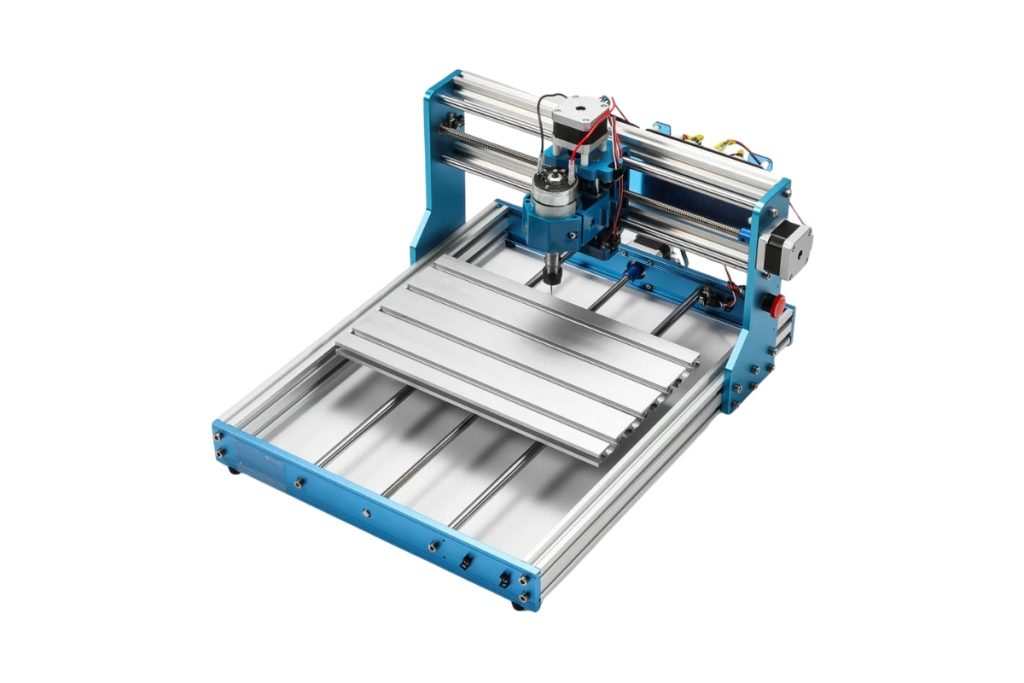
Application of round linear shafts in CNC machines
This is a critical factor that directly affects:
Selection principle: The higher the load, the larger the required shaft diameter.
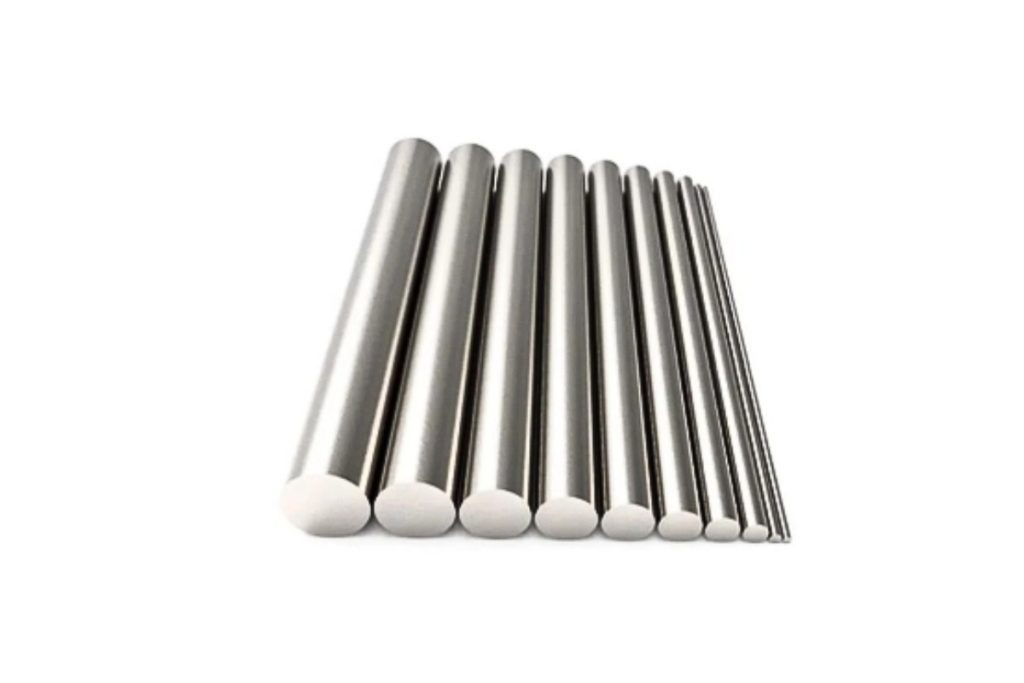
Round linear shafts available in various diameters
In linear guiding systems, shaft length is inversely proportional to rigidity: the longer the shaft, the greater the tendency to deflect, especially when using small diameters. This directly affects accuracy and bearing lifespan.
Notes:
The diameter tolerance of a round linear shaft is the permissible deviation between the nominal diameter and the actual diameter, defined according to ISO 286 standards. Proper tolerance ensures accurate assembly and stable operation with linear bearings.
In industrial applications, high-quality round linear shafts typically use h6 or g6 tolerance classes, which provide high precision and stable performance.
Straightness deviation refers to the difference between the actual shaft axis and an ideal straight line along its length. This parameter strongly affects bearing stability: bent or misaligned shafts increase friction, cause localized wear, induce vibration, reduce accuracy, and shorten system lifespan.
Straightness tolerance is specified in technical standards or manufacturer catalogs and depends on shaft diameter, length, and machining grade. As shaft length increases or diameter decreases, straightness requirements become more stringent. Proper inspection, fixturing, and installation are essential to avoid deformation during use.
High-quality round linear shafts should have a surface hardness of 58–62 HRC, ensuring good wear resistance, stable operation, and long-term accuracy retention.
Shafts with surface hardness below 55 HRC wear quickly, are prone to grooving, and are unsuitable for high-precision applications.
Precision ground surface
Hard chrome plated surface
The chrome plating layer increases surface hardness only and does not affect the core mechanical properties of the steel.
Turned or cold-drawn surface
Below are recommendations to help you choose the most suitable round linear shaft for different real-world applications, ensuring optimal performance and durability.
These devices typically carry light loads but require smooth and accurate motion.
Recommended:
Common in industrial production systems with continuous repetitive motion, such as:
Recommended:
These systems require high rigidity, strong load capacity, and excellent stability, such as:
Recommended:
Designed for large-scale equipment or specialized technical requirements.
Recommended:
Many buyers choose round linear shafts based solely on diameter or price, ignoring critical technical factors. Below are the most common mistakes and how to avoid them:
Consequence: Shaft deflection → vibration → reduced accuracy
Solution: Calculate load requirements or consult technical support before purchasing
Consequences:
Solution: Choose heat-treated shafts with surface hardness of 58–62 HRC, commonly found in high-quality shafts with excellent wear resistance and stable lifespan.
Consequences:
Solution: Use shaft supports or switch to supported shaft designs.
Consequences:
Advice: Check shaft diameter tolerance using a micrometer or measuring gauge before installation.
Consequences:
Solution: Select reputable suppliers with clearly specified technical parameters.
Consequence: Even a 0.1–0.2 mm bend can cause system vibration and instability.
Solution: Roll the shaft on a flat reference surface to check straightness before acceptance.
Need Help Choosing the Right Round Linear Shaft? Send your requirements to Ngan Anh Phat today. We supply round linear shafts according to customer specifications, including diameter, length, and precision machining based on technical drawings to ensure suitability for your application.
CONTACT US NOW
HOTLINE: +84 251 3857 563 (102) or via Zalo numbers displayed on our website
EMAIL: sales@ngananhphat.com
WEBSITE: www.ngananhphat.com
VISIT OUR OFFICE TO EXPERIENCE OUR PRODUCTS DIRECTLY:
D3, Dong Khoi Street, Group 23, Quarter 35, Tam Hiep Ward, Dong Nai City, Vietnam.
OUR COMPANY IS COMMITTED TO DELIVERING COMPLETE SATISFACTION TO OUR VALUED CUSTOMERS.
See more:



01/11/2025
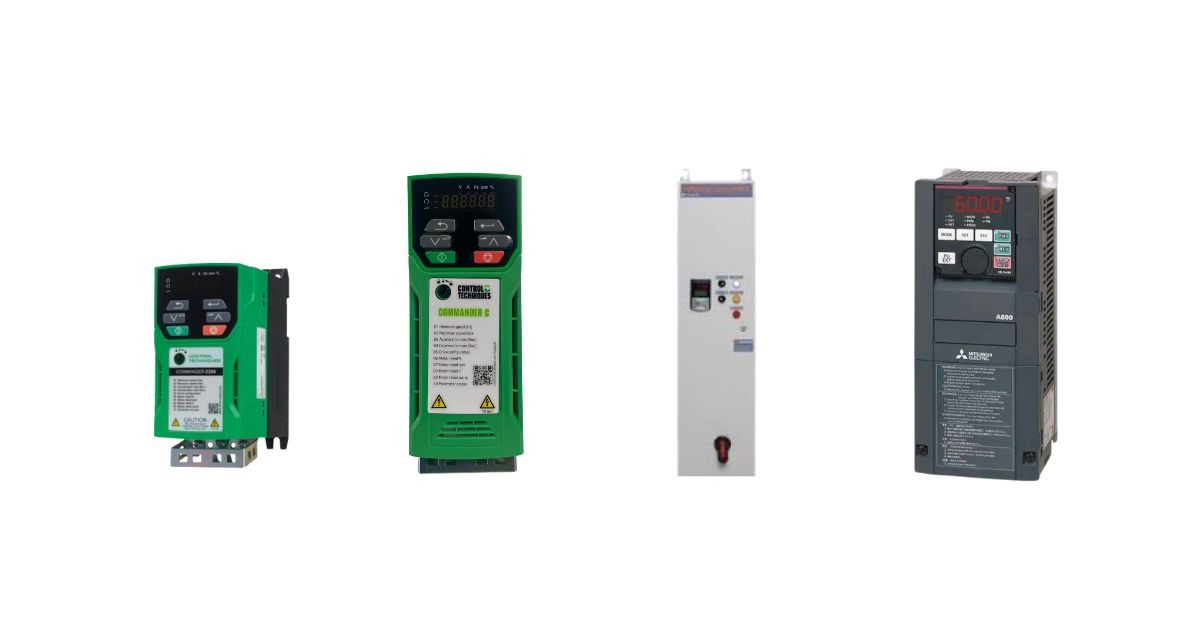
How to Use Variable Frequency Drives Safely, Save Energy, and Extend Equipment Lifespan
27/10/2025
How to Choose the Right Variable Frequency Drive for Your Induction Motor

10/09/2025
What is HMI Screen? Features and Applications of HMI in Automation
10/09/2025
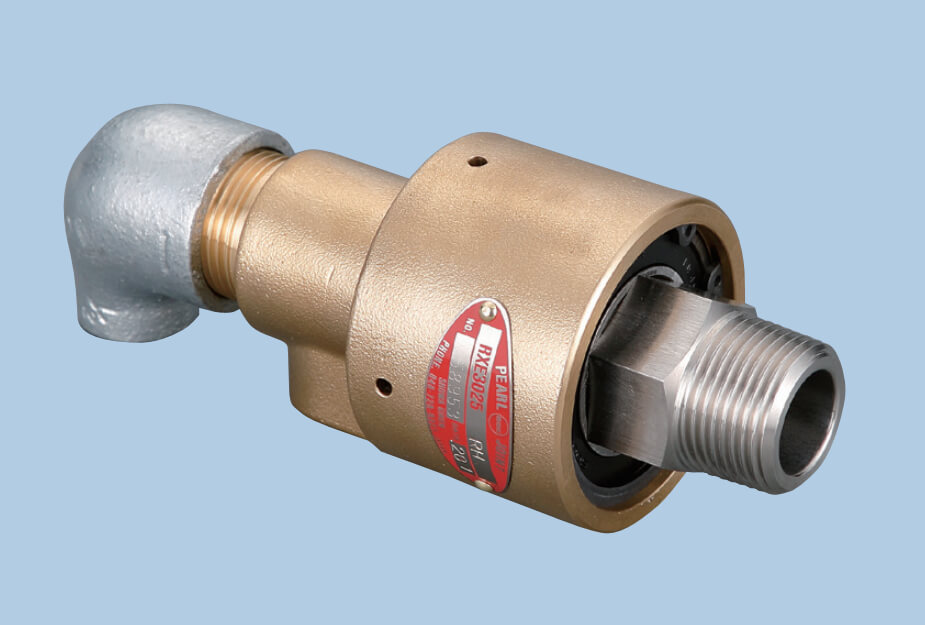
What is a Swivel Coupling? Applications of Swivel Couplings in Industrial Production

10/09/2025
What is a Shaft Coupling? Uses of Shaft Couplings in Industrial Production

10/09/2025
What Is a Variable Frequency Drive? Structure and Role of VFDs in Industrial Production
10/09/2025
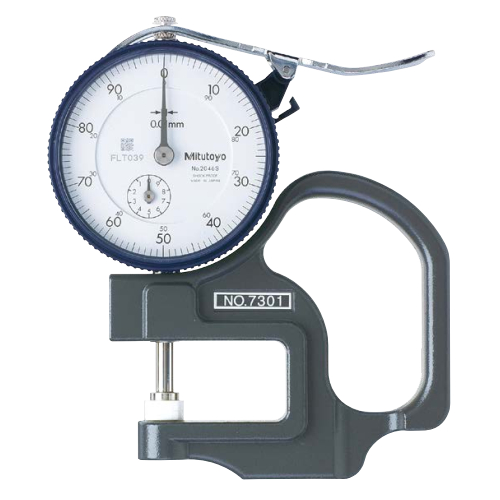
Instructions for Using Mitutoyo 7301 Thickness Gauge and Notes
10/09/2025
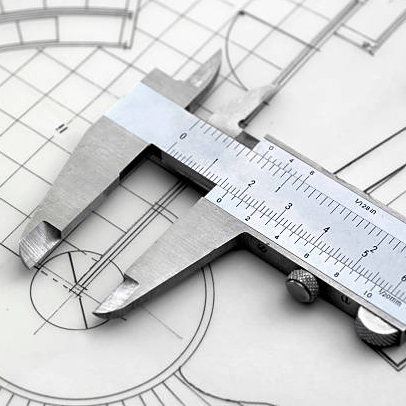
Instructions for Using a Standard Caliper and How to Read Measurements on a Caliper

10/09/2025
NGAN ANH PHAT CO., LTD
Established in 2007,
Ngan Anh Phat Co., Ltd. has continuously strived for development and affirmed its position in the market. With over 18 years of operation, we have become a leading reliable partner in the following fields: Automation - Industrial Equipment - Electrical Engineering - Electronics - Materials and Equipment for Mold Making. Furthermore, Ngan Anh Phat constantly expands its operations with diverse services, providing comprehensive solutions to meet the increasingly high demands of customers and partners.


Tìm sản phẩm